
Why Private Event Security in Palo Alto Matters
Private event security in Palo Alto is critically important because these gatherings often include VIP guests, senior executives, investors, and individuals with access to sensitive or confidential information. Any disruption or security lapse can not only affect the comfort and professional experience of attendees but also put the host’s reputation and associated organization at risk.
Careful and strategic security planning ensures that every aspect of the event, from entrances and traffic flow to private areas and sensitive equipment, remains fully controlled. Trained personnel and advanced security technologies allow guests to enjoy the event without concern, while hosts can focus on their primary objectives.
To achieve the highest security standards in Palo Alto, event planners can draw from proven strategies used across Northern California. Reviewing comprehensive event-security frameworks provides valuable insight into access control, guest flow management, and asset protection, creating a reliable foundation for designing customized private-event security. These strategies are designed to deliver protection while maintaining a calm, professional, and respectful guest experience.
In the following sections, we explore key security stages, guest-management techniques, and protective measures that help hosts confidently deliver a seamless and secure private event.
Why Private Events in Palo Alto Require Specialized Security
Unique Risks of Private Events
Private events in Palo Alto carry heightened sensitivity due to the presence of VIPs, executives, investors, and often families of attendees. While these events are typically smaller and more controlled, this very characteristic means that even a minor oversight can directly impact guest experience and the host’s credibility.
Potential risks include:
- Unauthorized entry that may allow access to restricted spaces or confidential discussions
- Exposure of proprietary information, product unveilings, or strategic conversations
- Disruptions that affect scheduling, organization, or the professional atmosphere
- Threats to technical equipment, documents, or valuable assets
Addressing these risks requires trained security teams, proactive planning, and the use of modern tools such as access-control systems, monitoring technologies, and real-time communication.
How Security Protects Guest Experience and Brand Reputation
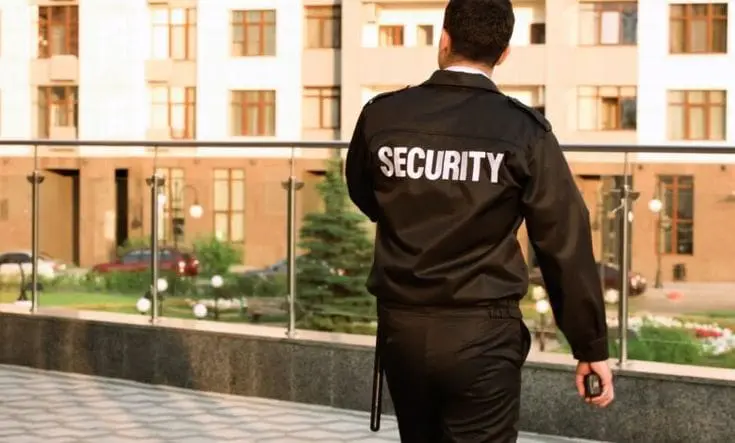
Professional security does more than prevent physical threats, it creates an environment where guests feel comfortable, welcomed, and confident. Discreet security presence allows attendees to focus on networking, discussions, or celebration without feeling restricted.
At the same time, well-executed security reinforces the host’s brand image. Organized entry management, intelligent monitoring of sensitive areas, and smooth guest coordination demonstrate professionalism and attention to detail, increasing trust and satisfaction among attendees.
A comprehensive security strategy ensures the event remains safe, structured, and memorable.
Conducting Pre-Event Risk Assessment
Evaluating the Venue and Local Threat Factors
A cornerstone of private-event security is thoroughly understanding the venue and its surroundings. Professional teams analyze:
- Primary and secondary entry/exit routes, including emergency access
- Sensitive or restricted zones such as technical areas and VIP rooms
- Local regulations, permits, and traffic considerations
- Environmental or situational risks that could affect operations
This analysis builds the framework for a tailored, preventative security plan that minimizes incidents and enables rapid response if needed.
Reviewing Guest Profiles and Access Needs
Each attendee has different access requirements based on their role or importance.
- VIPs and speakers require discreet protection and controlled pathways
- General guests need smooth access without feeling constrained
- Staff and technical teams require regulated access to operational areas
Segmenting guests by access level allows security resources to be deployed efficiently while maintaining a seamless experience.
Access Control and Guest Entry Management
Effective access control is a critical element of private-event security. It prevents unauthorized entry while ensuring guests move efficiently and comfortably through the venue.
Identity Verification and Registration Systems
Custom credentials, QR codes, and digital registration platforms allow teams to verify identities accurately and streamline check-in. These tools reduce wait times, enhance professionalism, and enable real-time reporting, essential for quick responses if issues arise.
They also help monitor attendance across different areas without creating pressure or inconvenience for guests.
Layered Access and Restricted Zones
Certain areas, such as private meeting rooms, backstage zones, or technical spaces, require enhanced restrictions. Defined access tiers ensure individuals enter only the areas relevant to them, preventing disruptions and safeguarding sensitive environments.
This layered structure also supports faster incident response while maintaining a discreet security presence.
Managing Guest Flow and Event Environment
Even smaller private gatherings require thoughtful movement planning to avoid congestion or confusion.
Planning Guest Movement
Strategically guiding entrances, transitions between spaces, and access to amenities allows guests to move naturally without delays. Security teams align movement plans with event schedules to ensure timely participation and reduce stress.
By understanding venue layouts and identifying key control points, teams maintain order while staying unobtrusive.
Maintaining a Calm and Professional Atmosphere
Security should never feel intrusive. Professional personnel balance vigilance with hospitality, preserving guest comfort while ensuring protection.
This subtle approach strengthens the host’s reputation and leaves attendees with a positive, well-organized impression.
Protecting VIPs, Speakers, and Sensitive Assets
Safeguarding high-profile individuals and valuable materials is essential to maintaining both safety and event integrity.
Executive-Level Protection
VIPs and keynote participants benefit from strategically positioned, trained personnel who provide discreet guidance, secure movement, and situational awareness without drawing attention.
This allows them to focus fully on their roles while maintaining privacy and safety.
Securing Equipment and Confidential Information
Private events often involve proprietary technology, presentations, or documentation. Security teams implement controlled access, credential validation, and continuous monitoring to prevent unauthorized exposure.
Rapid-response readiness ensures that any issue is contained quickly without disrupting the event.
Technology and Real-Time Monitoring
Modern tools play a vital role in identifying risks early and coordinating responses efficiently.
Surveillance and Communication Tools
High-resolution surveillance systems and digital access platforms provide continuous visibility across the venue. Integrated communication tools allow teams to coordinate instantly and act without delay.
These technologies enable behind-the-scenes protection that strengthens guest confidence.
Rapid-Response Protocols
Professional teams prepare emergency scenarios in advance, including evacuation plans, secure assembly points, and coordination with emergency services.
This preparation ensures that even unexpected situations are handled calmly and effectively, allowing the event to continue smoothly.
Local Expertise in Palo Alto
Understanding the local environment is a major advantage when designing effective event security.
Familiarity with Venues and Regulations
Each Palo Alto venue, whether a luxury hotel, conference facility, or outdoor space, has unique layouts and operational requirements. Local expertise enables teams to position personnel and equipment strategically while complying with municipal regulations and logistical constraints.
Scalable Solutions for Different Event Sizes
From intimate executive meetings to large private gatherings, security strategies must adapt to the scale and sensitivity of the occasion. Tailored staffing, monitoring tools, and access planning ensure protection without over-securing the environment.
Conclusion; Delivering a Safe and Professional Private Event in Palo Alto
Private event security in Palo Alto is a balance of physical protection, guest comfort, and preservation of the host’s reputation. With trained personnel, meticulous planning, and modern technology, events can be executed at the highest professional standard while providing a seamless and reassuring experience.
Alpha Eagle Security delivers a comprehensive approach to protecting VIPs, sensitive information, and every operational detail of your event. From pre-event risk assessment to discreet guest coordination and confidential-asset protection, every measure is aligned to ensure that no threat disrupts your occasion.
To design a customized security plan and create a calm, professional, and worry-free event experience in Palo Alto, contact Alpha Eagle Security today and take the first step toward a secure and successful gathering.
Frequently Asked Questions (FAQ)
- Why is private event security in Palo Alto important?
Private events often host VIPs, executives, and individuals connected to sensitive information, making security a critical priority. Professional security not only prevents physical risks but also ensures a calm, seamless, and professional experience for both guests and hosts. - What risks are associated with private events?
Common risks include unauthorized access, potential information leaks, disruptions to the event flow, and threats to equipment or property. These risks require careful planning and structured security measures. - How is risk assessed before an event takes place?
The security team evaluates the venue in advance, identifying entry and exit routes, sensitive areas, and local regulations. Guest profiles and access requirements are also reviewed to implement targeted security strategies. - How is guest access managed?
Access is controlled using identification badges, QR codes, and digital registration systems. These tools verify each guest’s identity, regulate entry to restricted areas, and create a smooth and efficient check-in experience. - Why is layered access control important?
Layered access ensures that individuals can only enter areas relevant to their role or invitation. This approach minimizes unauthorized entry and maintains an organized event environment. - How is crowd flow managed during events?
Entrance routes, session spaces, and common areas are strategically planned to prevent congestion and delays. Security personnel discreetly guide movement to maintain safety without making guests feel restricted. - What services are provided to protect VIPs and speakers?
VIPs and keynote speakers receive discreet, professional protection. Security teams monitor key locations, manage arrival and departure logistics, and create a secure environment without drawing unnecessary attention. - How are equipment and confidential information protected?
Sensitive technology, documents, and presentations are safeguarded through digital access controls, credential verification, and real-time monitoring. Security teams remain ready to respond immediately to any issue. - What role do technology and real-time monitoring play?
Surveillance systems, digital access control, and communication tools help identify potential threats before they escalate. Predefined emergency protocols also ensure that events can continue smoothly if an incident occurs. - Why is local security expertise in Palo Alto valuable?
A team familiar with local routes, venues, and regulations can design more effective security strategies. This local knowledge allows for tailored solutions that support both small private gatherings and large-scale events while ensuring guest safety and comfort.