Introduction
Security in Los Angeles, especially in high-density and high-risk areas, is one of the top priorities for residents, visitors, and managers of commercial and residential properties. Due to its social diversity, high population density, and extensive economic and recreational activities, the city faces multiple challenges in maintaining order and safety. Under such circumstances, managing security in an efficient and intelligent manner becomes particularly important, both to prevent crime and to ensure that people feel calm and confident in their environment.
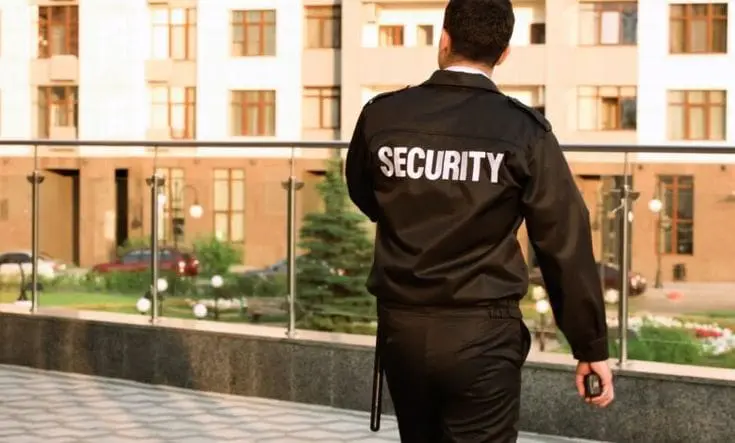
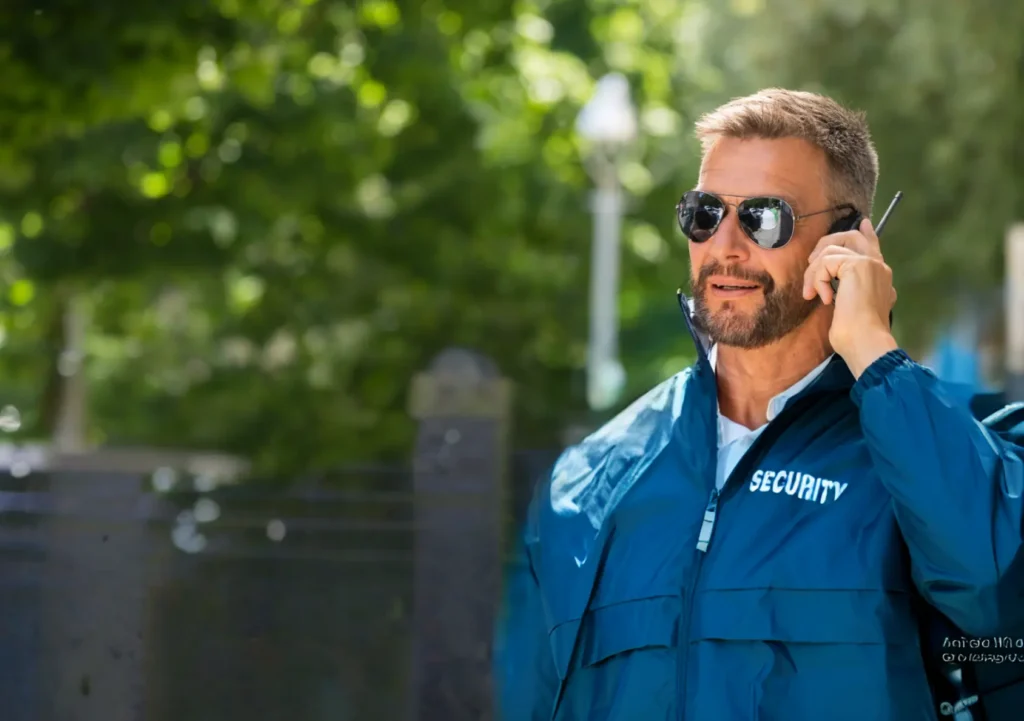
With the increasing presence of people in public spaces and the constant movement within shopping centers, office complexes, and recreational areas, the need for unarmed security personnel positioned close to the public has become more essential than ever. These guards, with their preventive approach, ability to detect suspicious behavior, and skill in managing minor tensions, help maintain order and safety without creating a sense of intimidation.
The advantages of close-range unarmed security include fostering a sense of psychological safety for residents and visitors, reducing low-level crimes, enabling quick responses during emergencies, and allowing effective interaction with the community. In addition, their visible presence acts as a natural deterrent and increases public trust in urban and commercial environments.
Overall, deploying unarmed guards in Los Angeles is not only a practical response to everyday security needs but also contributes greatly to enhancing the public experience in shared spaces, improving urban quality of life, and reducing pressure on law-enforcement systems. This article examines the details of this approach, its advantages, and its applications in various urban settings.
For a broader understanding of how unarmed security is evolving in the city, readers may also refer to the article Unarmed Security Role in Los Angeles, 2026, which explores future trends and expected developments in this field.
Urban Traits and Preventive Security in Los Angeles
Los Angeles is a city characterized by high social activity, broad cultural diversity, and heavy foot traffic in commercial and recreational areas. These traits create unique security needs.
In many areas, interactions among people are frequent, and the spaces must remain orderly while also providing a calm and trustworthy environment for visitors and residents. Many shopping malls, office buildings, and residential complexes experience continuous waves of movement. Under such conditions, focusing on managing everyday behavior, preventing minor tensions, and guiding foot traffic becomes increasingly important.
The structure of these environments requires personnel who can maintain psychological comfort through professional conduct, effective communication, and friendly behavior. Without creating a sense of threat, these guards maintain order and manage minor disturbances or low-level nuisances. Such urban characteristics have led security management in Los Angeles to rely more on models emphasizing positive interaction, active presence, and prevention, an approach that aligns naturally with unarmed security.
Enhanced Safety for the Community
The activities of unarmed personnel have a significant impact on reducing risky behaviors and minor violations in urban spaces. Their consistent presence in pathways, entrances, and public areas ensures that small issues are identified and managed before escalating into more serious incidents.
By creating a sense of safety and psychological reassurance, they provide a calm environment for residents, employees, and visitors. For example, in some residential complexes and shopping centers in Los Angeles, statistics show that the regular presence of these guards has led to a noticeable decrease in petty theft and environmental disturbances, improving the overall experience in public spaces.
Faster Response in Emergencies
One of the prominent advantages of unarmed security is the ability to respond immediately in emergency situations. With guards positioned near high-risk points and areas of constant movement, any issue or minor threat can be quickly identified and controlled.
Compared to personnel operating from distant posts or command centers, this close presence allows preventive actions to be taken before incidents escalate. Rapidly managing disputes, controlling crowd flow, and preventing minor accidents are examples of how this approach strengthens environmental safety and ensures public well-being.
To understand the potential dangers when guards are stationed too far away, the article The Risks of Unarmed Security Far Away provides detailed insights into delayed response challenges and increased operational risks.
Better Public Interaction
Another distinct feature of unarmed security is the ability to establish constructive interaction with individuals in the environment. Guards, through their friendly behavior and immediate assistance, enhance the experience of visitors and employees while reducing misunderstandings or potential tensions.
They can also provide valuable information to managers and business owners, including reports on risky behavior, practical recommendations, and feedback for improving security procedures, all of which contribute to better decision-making and higher service quality.
Visible Deterrence
The visible presence of unarmed guards acts as a natural deterrent against crime. When visitors and residents see trained security personnel, the likelihood of minor offenses or risky behaviors decreases significantly.
For example, in parking areas and corridors of commercial centers in Los Angeles, experience has shown that the continuous presence of these guards has reduced thefts and minor disruptions, while increasing public confidence in urban spaces. This active presence not only strengthens crime prevention but also enhances psychological comfort and trust among the public.
The Value of Unarmed Security
In Los Angeles, many companies and public facilities choose unarmed security guards instead of armed officers. The main reason for this choice is the creation of a calm and controlled environment that facilitates crowd management and customer assistance while reducing tensions and risky behaviors. Unarmed security is a preventive and non-violent approach that focuses primarily on monitoring and intervening before incidents occur.
Interview Narrative with a Security Expert
Interviewer: Many companies in Los Angeles hire unarmed security guards instead of armed ones. What is the main reason for this choice?
Security Expert: A large portion of commercial centers, office buildings, and residential complexes deal more with behavioral and managerial issues than with high-risk threats. The presence of a trained unarmed officer creates a calmer environment and makes crowd control, customer assistance, and prevention of tensions much more manageable.
Interviewer: So unarmed guards are used more for situation management than physical confrontation?
Security Expert: Exactly. Their primary functions are prevention, monitoring, and non-violent intervention. These officers are trained to identify and manage issues before they occur, from preventing unauthorized entry to resolving minor disputes and handling crowd flow.
Interviewer: Which industries have the greatest need for this type of security?
Security Expert: Corporate facilities, healthcare centers, high-end residential buildings, markets, and schools. In these places, maintaining a calm atmosphere is more important than the presence of weapons, making unarmed security the more logical choice.
Interviewer: What is the most important advantage of this type of security?
Security Expert: Lower cost is only part of the story. The main advantage is creating safety without creating fear. People feel more comfortable in environments where unarmed officers are present, while still benefiting from a professional team responsible for protection.
Interviewer: When is armed security necessary instead of unarmed security?
Security Expert: When there is a real threat of violent incidents, for example, during cash transport, jewelry handling, or businesses with a history of high risk. In most urban environments in Los Angeles, unarmed security fully meets the needs.
Conclusion
The presence of unarmed security personnel in the urban environments of Los Angeles, especially in high-density and high-risk areas, plays a key role in enhancing safety and public well-being. Through active monitoring, visible presence, and prevention of risky behaviors, these guards reduce the occurrence of low-level crimes and ensure psychological comfort for residents, employees, and visitors.
The primary advantage of this security model is its ability to create a sense of safety without inducing fear. Positive interaction with the public, immediate assistance, crowd management, and resolution of minor disputes provide a secure and reliable experience in shared spaces. Additionally, the close and visible presence of unarmed guards acts as a natural deterrent and increases public confidence in urban and commercial environments.
Given these benefits, it is recommended that managers of commercial centers, residential complexes, and urban organizations adopt unarmed security measures. This approach, combining prevention, constructive interaction, and active presence, not only ensures physical safety but also significantly enhances urban quality of life, psychological well-being, and public trust.
Frequently Asked Questions
- Why is the close presence of unarmed security personnel important?
The close presence increases the sense of safety, enables quick prevention of low-level crimes, and allows immediate response in emergency situations. - What distance is effective for close security in urban environments?
Security personnel should be positioned in high-traffic areas, entrances, and main pathways to effectively monitor the environment. - How does the close presence of guards affect people’s behavior?
Seeing trained personnel reduces risky behaviors, improves crowd discipline, and enhances mutual respect. - Can close unarmed security help reduce actual crime?
Yes. A visible and continuous presence acts as a natural deterrent, preventing many minor crimes before they occur. - How does close security contribute to people’s psychological comfort?
When people and employees see accessible and visible security personnel, they feel safer and less worried about harm or threats. - Does close security increase interaction between personnel and the community?
Yes. Security personnel can interact with people, gather information, and report to site management, which helps improve order and overall safety. - What types of locations need close security the most?
Shopping centers, residential complexes, office buildings, schools, and recreational areas, places with high foot traffic where prevention is essential. - How is close unarmed security different from remote presence?
Close security provides fast response, visible deterrence, and direct interaction with people, while remote presence reduces response speed and limits environmental control. - Does close security help reduce stress for employees and visitors?
Yes. A visible security presence reduces anxiety and concern, increasing people’s sense of control and confidence in the environment. - How can the effectiveness of close security be measured?
Through reduced low-level crime rates, user satisfaction, quick response to incidents, and feedback from site management. - What factors make the close presence of security personnel more effective?
Professional training, consistent presence in key areas, proper communication equipment, and coordination with site management all enhance effectiveness. - Is close unarmed security sufficient for high-risk environments?
It is fully effective in medium- or low-risk environments; however, in high-risk cases, such as cash handling or protecting valuable items, a combination of armed and unarmed security may be necessary.