The Importance of Modern Security Training in Washington
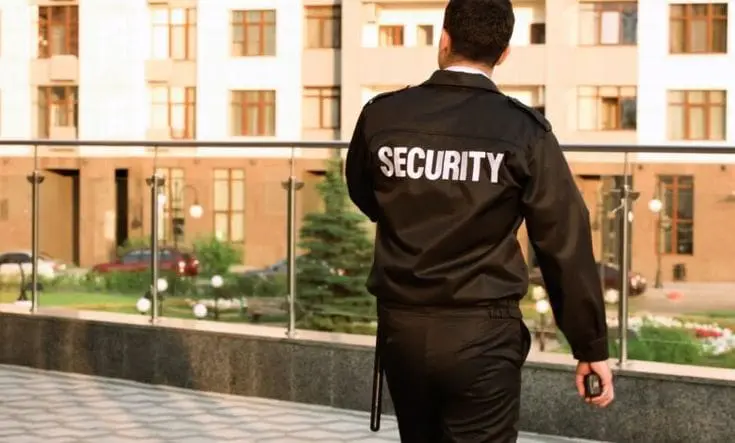
In a state like Washington, which combines government centers, international organizations, legal offices, private companies, and busy urban areas, the role of security personnel goes far beyond a simple physical presence. Security in Washington requires the ability to identify threats, analyze suspicious behavior, and respond quickly to emergencies.
Work environments in Washington, due to their high sensitivity, heavy foot traffic, and critical infrastructure, demand personnel who can detect and manage potential threats before they occur. For example, security officers in Olympia, the state capital, may face different challenges than those in downtown Seattle’s commercial centers, requiring specialized, location-specific training.
Traditional training methods, focused mainly on physical presence, report writing, or basic access control, are no longer sufficient. Modern officers must be familiar with advanced technologies, crisis management, and professional interaction with staff and visitors to effectively protect buildings, personnel, and guests.
Modern training techniques, including real-world scenario simulations, hands-on exercises, and technology-based instruction, ensure that security personnel are prepared for diverse situations in sensitive environments, delivering the highest standards of safety.
Investing in modern security training not only reduces risks and enhances safety but also helps organizations gain the trust of employees and clients while creating a professional and secure environment.
Security Training for Government Buildings in Olympia
Olympia, the capital of Washington, hosts government offices and sensitive facilities. These environments require trained security personnel capable of identifying and managing complex threats and responding rapidly to emergencies. Security in these buildings goes beyond mere physical presence, demanding technical skills, managerial abilities, and professional interaction with the public.
Training must include hands-on exercises, real-world scenario simulations, and instruction in advanced technologies. Trained officers can respond calmly and effectively during crises, ensuring the security of buildings and occupants while minimizing disruption to administrative operations.
Multi-Layer Access Control and Identity Verification
Security personnel are responsible for managing entry and exit with precision. Skills in using ID cards, digital systems, and monitoring suspicious behavior are essential for any security officer. These measures ensure that only authorized individuals access sensitive buildings and prevent potential threats.
Additionally, maintaining accurate records of employee and visitor movements is critical for emergencies. Training includes recognizing unusual behavior and responding quickly and appropriately without disrupting normal operations. This approach ensures both proactive prevention and rapid response capabilities.
Professional Visitor Management
Interaction with officials, staff, and the public must be conducted professionally and courteously. Trained personnel can guide visitors, ensuring smooth entry and operations while enhancing the sense of security and satisfaction.
Officers must also quickly handle inquiries and issues without creating tension. Training strengthens communication skills, problem-solving, and rapid decision-making to maintain building security professionally.
Identifying Suspicious Behavior in Government Settings
Quickly detecting unusual or suspicious behavior is a key skill in government environments. Officers must identify potential threats before they escalate and take preventive measures to protect the premises.
This includes noticing abnormal behavior, suspicious objects, or sudden changes in individual conduct. Officers must make logical decisions and implement security measures without disrupting workflow. This proactive approach maintains security and enables rapid emergency response.
High-Threat Scenario Drills and Rapid Response
Practical exercises and real-world threat simulations, such as physical threats or emergencies, help officers operate confidently and accurately in sensitive environments. These drills also enhance team coordination and optimize performance in actual conditions.
Combining these exercises with technical and behavioral training maximizes officers’ ability to secure buildings and visitors effectively.
Modern Security Training Techniques in Downtown Seattle Commercial Centers
Downtown Seattle is one of the busiest commercial areas in Washington, with thousands of employees, clients, and visitors passing through offices, shopping centers, and international company branches daily. Such high traffic requires highly professional, well-trained security personnel. Security here extends beyond physical presence, including crowd management, threat detection, and rapid emergency response.
Training should combine hands-on exercises, scenario simulations, and advanced technology instruction. This ensures officers maintain daily operations while maximizing the safety of staff and visitors. Modern techniques, including environmental analysis and crowd management, significantly enhance security.
Training in Smart Surveillance and Digital Systems
A critical skill in commercial centers is proficiency with cameras and digital monitoring systems. Officers must actively monitor footage and environmental data, identify suspicious behavior, and respond in real-time. This prevents theft, vandalism, and other potential threats, creating a secure environment for staff and customers.
Additionally, personnel must analyze data and detect risky behavioral patterns. Using intelligent software, officers can identify vulnerable areas and high-traffic routes and implement preventive measures, reducing incidents and improving visitor satisfaction.
Crowd Management During Peak Hours
During peak periods, controlling and guiding people is one of the most important duties. Training in human flow management, congestion mitigation, and maintaining a safe and orderly environment is essential. Proper crowd control reassures people while minimizing operational disruptions.
Trained officers can anticipate traffic patterns and use operational strategies to manage congestion and potential risks before they occur, especially during events, sales, or holidays, ensuring consistently high security levels.
Coordination with Building Management for Rapid Incident Response
Security personnel must coordinate with building management and emergency response teams. Training ensures that responses in critical situations are organized, fast, and effective. Scenario simulations, including fires, physical threats, or emergencies, improve both team and individual performance, allowing officers to act confidently and accurately.
Situational Analysis for Risk Prevention
Modern training also emphasizes situational analysis and environmental data to predict potential hazards. Officers can identify vulnerabilities, high-risk areas, and behavioral patterns to take preventive actions. This proactive approach allows security to be maintained without interrupting daily operations while enhancing visitor and staff satisfaction.
Preparing Security Officers for Tourist Environments in Spokane
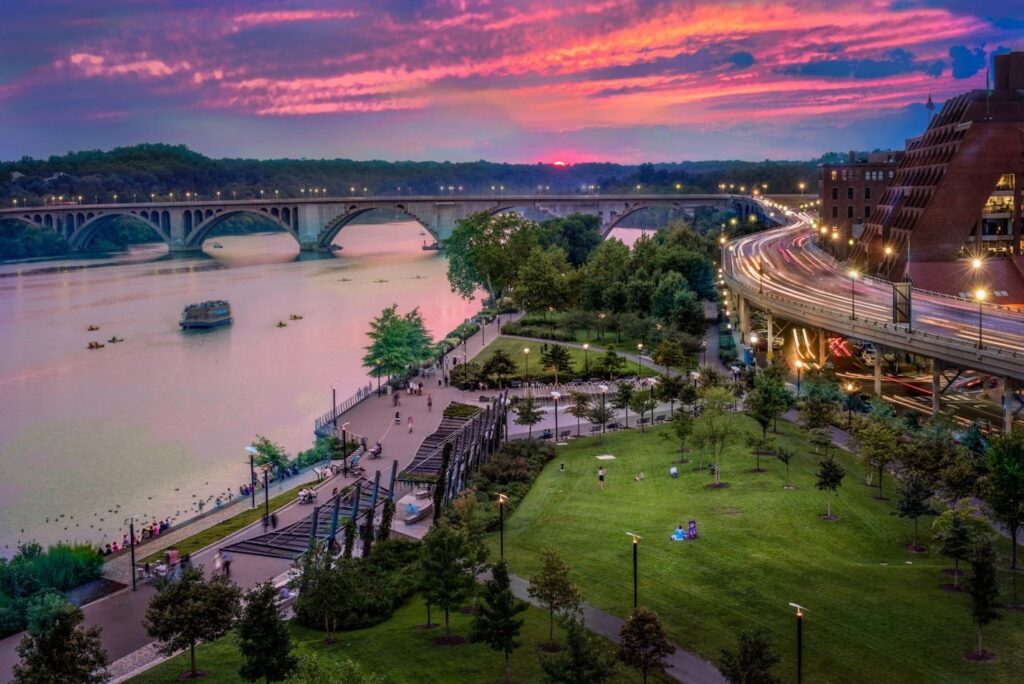
Spokane, a key tourist area in Washington, features historic streets, crowded shopping centers, and numerous cultural attractions. Security here goes beyond physical protection to creating a safe, calm, and positive visitor experience. Officers must combine operational skills with professional interaction and crowd management to ensure visitors feel secure.
Trained personnel must anticipate changing conditions and respond quickly to potential threats. Modern training includes scenario simulations, crowd management exercises, and advanced crime prevention techniques, allowing officers to act proactively rather than reactively.
Crowd Management in Streets and Shopping Centers
Managing and directing crowds is vital. Tourist influx, cultural events, and holidays increase congestion. Officers must guide foot traffic effectively, ensuring safety without disrupting natural movement. Identifying high-risk points and planning preventive measures reduces the chance of incidents. Effective crowd management is especially critical during major events or local festivals.
Courteous and Professional Interaction with Tourists
Proper, professional engagement with visitors is a key skill. Polite behavior, rapid responses, and guidance enhance safety and provide a positive experience. This training also teaches officers to resolve minor issues or conflicts quickly and peacefully, maintaining security while respecting cultural and social norms.
Rapid Identification of Theft or Suspicious Behavior
Officers must detect risky or potentially criminal behavior promptly. Practical exercises and real-world scenario simulations help personnel identify and report suspicious actions, preventing theft or other incidents.
Situational analysis and behavior prediction allow proactive security, enhancing trust among tourists and local staff.
Balancing Security with a Welcoming Urban Environment
Maintaining safety while creating a friendly and pleasant atmosphere is a key challenge. Officers are trained to be present and effective without making visitors feel restricted or uneasy. Modern scenario simulations teach them to manage emergencies, control crowds, and maintain a positive urban experience, particularly in busy streets, shopping areas, and historic districts.
Residential and Community Security Training on Bellevue Boulevard
Residential areas like Bellevue Boulevard require a different approach. The focus is on creating a safe and calm environment for residents. Officers need strong communication skills, social awareness, and effective community engagement.
Security succeeds when officers are seen as part of the community rather than a restrictive presence. Trained personnel must understand daily behaviors, social interactions, and resident needs, ensuring a natural and reassuring presence.
Targeted and Preventive Patrols
Strategically planned patrols cover sensitive areas, identify weaknesses, and prevent issues before they occur. Proactive patrolling establishes trust, reduces minor and major incidents, and integrates officers into the community seamlessly.
Effective Response to Resident Requests
Key skills include responding promptly and professionally to resident concerns, resolving minor issues, and providing guidance. Scenario-based training strengthens decision-making and ensures officers manage situations effectively, maintaining confidence and trust.
Building Trust with the Local Community
Trust is critical for residential security. Friendly behavior, respect for privacy, and positive interaction help build confidence. Residents who recognize officers as part of the community are more likely to cooperate, ensuring a safer environment.
Managing Daily Situations Without Tension
Officers are trained to handle everyday situations calmly and professionally, preventing minor conflicts from escalating. Maintaining security with minimal disruption ensures a peaceful residential environment.
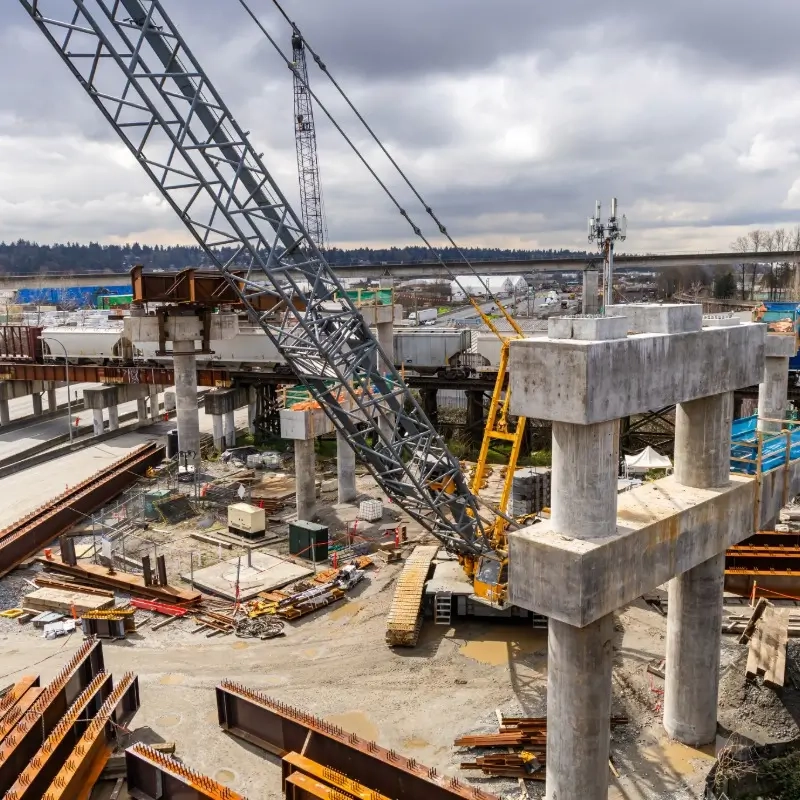
Security Training for Construction Sites and Development Projects in Tacoma
Tacoma, a growing area in Washington, includes construction sites, new developments, and infrastructure projects. Security responsibilities here include access management, protection of valuable equipment, and preventing potential hazards. Trained personnel ensure projects proceed safely and without interruption.
Site and Equipment Security
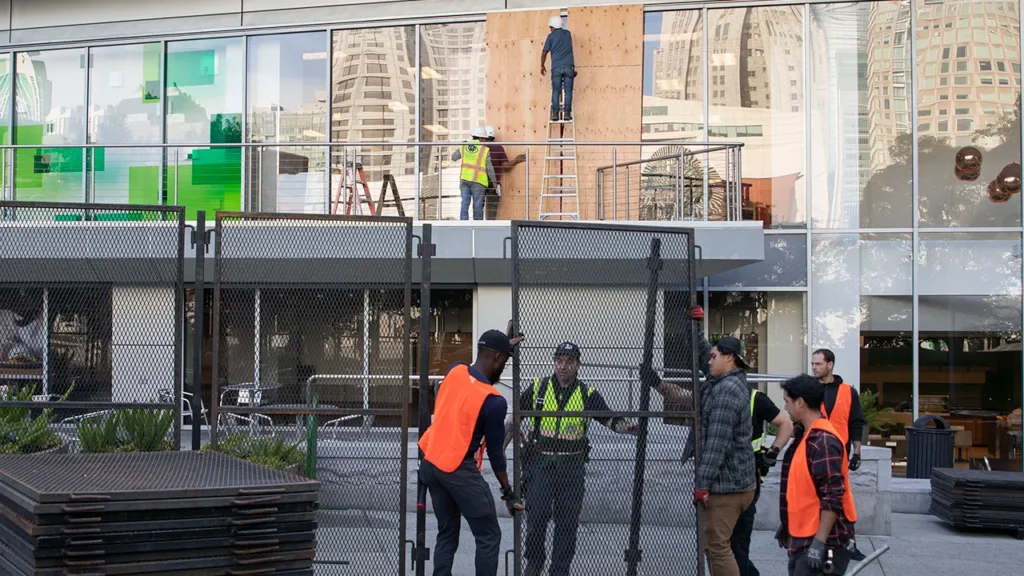
Continuous monitoring of construction sites and valuable equipment is essential. Officers must identify vulnerabilities, supervise the environment, and control access to sensitive areas, preventing theft, vandalism, or accidents. Hands-on exercises prepare them for rapid and effective response.
Contractor and Staff Access Control
Precise management of contractor and staff entry is crucial. Training includes using ID cards, digital systems, and accurate record-keeping to prevent unauthorized access. This ensures projects remain secure and organized while enabling rapid decisions during emergencies or schedule changes.
Advanced Surveillance Technology
Training includes using smart cameras, sensors, and digital systems to monitor and analyze data, allowing quick reaction to suspicious activities. Technology-enhanced training elevates site security and prevents unnecessary incidents.
Risk Prevention Before Full Operation
Identifying and managing risks before a project becomes operational ensures safety. Officers review buildings, equipment, and sensitive areas proactively. Scenario simulations teach rapid decision-making, guaranteeing comprehensive project security.
Conclusion
Security in Washington goes beyond a physical presence, requiring modern, targeted approaches tailored to each area. Officers must anticipate threats, respond quickly to emergencies, and manage complex and sensitive environments. Modern, region-specific training ensures security is proactive, practical, and effective, protecting workplaces, residential areas, and tourist sites alike.
Organizations investing in modern, localized security training reduce risks while building trust among employees, visitors, and clients. Training includes advanced technologies, real-world scenario simulations, professional communication skills, and crowd management, enabling officers to make rapid, effective, and professional decisions.
Considering the diversity of environments in Washington, from government offices in Olympia and commercial centers in Seattle to tourist areas in Spokane and construction projects in Tacoma, regionalized training is crucial.
Alpha Eagle Security provides trained personnel equipped with advanced technology and practical experience, ensuring the highest standards of security for offices, projects, commercial centers, and residential areas in Washington. Our team focuses on modern, localized training, proactive presence, and tailored security solutions for each environment.
If you want your workplace, project, or building secured professionally and comprehensively, contact Alpha Eagle Security today to benefit from modern, region-specific security solutions and make your environment safe and secure.
Frequently Asked Questions
- Why is modern security training important in Washington?
Modern training allows officers to anticipate potential threats, respond quickly, and manage sensitive environments like government offices, commercial centers, and construction sites. It includes advanced technology, scenario simulations, and professional interaction skills. - How can security officers manage crowds in busy environments?
Trained officers use human flow management techniques, high-traffic analysis, and situational awareness to reduce congestion and maintain security without disrupting daily operations. - What modern technologies are included in security officer training?
Technologies include smart surveillance cameras, environmental sensors, digital access control systems, and behavioral analysis software. These tools prevent risks, detect threats, and enable rapid responses. - How does training differ in tourist areas?
In tourist areas like Spokane, officers must provide both security and a positive visitor experience. Training emphasizes professional interaction, crowd management, and early detection of suspicious behavior. - How is construction site security in Tacoma ensured?
Officers continuously monitor sites, control contractor access, use advanced technology, and practice scenario-based threat simulations to protect assets and prevent hazards before full project operation. - What is the role of community interaction in residential security?
Effective engagement with residents, trust-building, and professional officer presence ensures security is naturally maintained, with residents playing an active role in keeping the environment safe. - How do officers handle unexpected threats?
Training includes real-world scenario exercises, crisis simulations, and rapid response drills, enabling officers to make confident, coordinated decisions during emergencies. - What is the difference between traditional and modern security?
Traditional security emphasizes physical presence and basic access control. Modern security integrates technology, behavioral analysis, scenario simulations, and communication skills, making it proactive, adaptive, and tailored to specific environments. - How can I access Alpha Eagle Security services for my workplace or project?
Contact Alpha Eagle Security directly to receive consultation, planning, and trained personnel. Our team delivers customized services to ensure offices, projects, and residential areas meet the highest security standards.