Introduction
In today’s world, workplaces, educational centers, and public spaces face a wide range of security challenges. People in these environments seek comfort and peace of mind, but safety does not always have to rely on threat or force. The concept of Unarmed Security is built on the idea that safety can be created without violence and that, in many situations, it is even more effective than armed methods. In such environments, the professional behavior of the guard, mindful presence, and human-centered skills can prevent many issues and create a calm, safe atmosphere for everyone.
Core Philosophy: Creating Safety Through Presence, Not Force
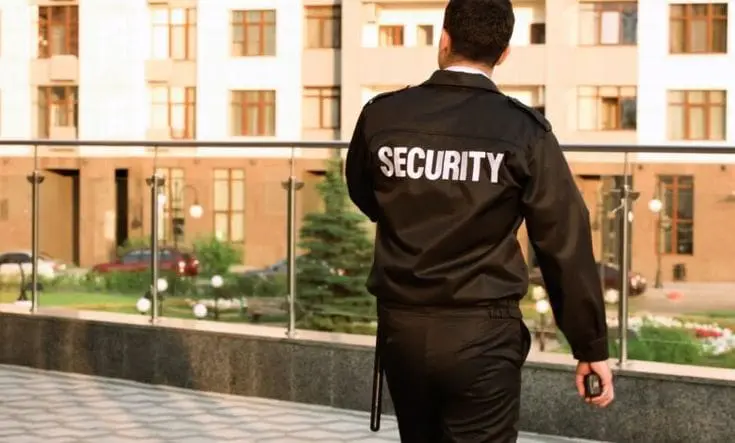
The presence of an unarmed guard, without any physical intervention can itself act as a strong deterrent. When a trained guard with a proper uniform and confident behavior is present, many bad actors or potential offenders avoid engaging in illegal or disruptive behavior.
Body language and professional conduct also play a key role in this form of security. Standing confidently, moving calmly, maintaining an alert yet controlled gaze. All project a strong, non-threatening presence. This presence reassures people that the environment is under control and that their safety is protected.
Environmental management is another critical element. By positioning themselves at key points and observing the flow of people, unarmed guards can prevent simple situations from escalating into major incidents. Creating safety without force is a combination of presence, professional behavior, and structured space management. To learn more about the benefits of this approach in low-risk environments, you may refer to the article “Why Unarmed Security Is the Best Choice for Low-Risk Environments; Los Angeles.”
Effective Communication as the First Line of Defense
One of the primary strengths of unarmed guards is their ability to communicate effectively. Contrary to common belief, a guard’s power is not in a weapon, but in their verbal skills and their ability to reduce tension. Many conflicts arise from misunderstandings or emotional reactions and when addressed early, no violence occurs.
Active listening is one of the most important techniques. By fully listening to people and paying attention to their emotions, an unarmed guard builds the foundation for de-escalation. A calm tone, paired with firm but respectful language, signals to others that the environment is safe and no threat exists.
This type of communication not only prevents violence but also increases trust and satisfaction among people in the environment. Ultimately, a calm and secure atmosphere is created, even without weapons or force.
De-escalation Techniques
To better illustrate this, imagine a fictional character named X, who is an unarmed security guard. Suppose X is working in a shopping mall, and a customer becomes angry over a service delay and starts yelling.
If X speaks calmly, maintains a safe distance, allows the person to fully express themselves, and offers a reasonable solution, the individual will gradually calm down. But if X responds emotionally, the conflict may escalate.
In another scenario, if two people are arguing, X first ensures the area is safe, then uses simple and polite phrases like:
“Let’s take a step aside so we can sort this out calmly.”
This prevents the situation from escalating. Even when suspicious behavior is observed, the presence of X alone can deter a potentially harmful action.
These examples show that skill, presence, and proper management are often far more effective than force or violence. For more insights into essential skills, refer to “Modern Skills Every Professional Unarmed Guard Must Know; Los Angeles.”
Sharp Observation and Early Threat Detection
For unarmed guards, their main tools are their sharp eyes and analytical minds. In large cities, these skills can be more valuable than carrying a weapon.
In Los Angeles, a crowded and high-traffic city, guards must monitor the flow of people and identify unusual behaviors. For example, someone standing alone in a corner of a large event and scanning the surroundings may be a potential threat. Early detection prevents escalation.
In San Francisco, business districts and tech environments require strong attention to detail. Small signs, such as unauthorized entry or extended lingering, may indicate risk. Trained unarmed guards take preventive action before an incident occurs.
In Seattle, with its corporate buildings and open public spaces, precise observation is essential. Unarmed guards monitor behavior patterns and maintain a safe and controlled environment.
Collaboration with Police and Internal Teams
Unarmed security relies heavily on teamwork and communication. Professional guards work alongside management teams and, when needed, local law enforcement.
Their responsibilities include accurate reporting, documenting details, initial crowd control, and relaying relevant information during emergencies. This cooperation ensures a complete security system without relying on physical force.
Industries That Benefit Most from Non-Force Security
Unarmed security is ideal for environments where trust and calmness are critical. Examples include:
- Schools and universities
- Healthcare facilities
- Hotels
- Retail stores
- Residential communities
- Public events
- Office buildings
In these spaces, weapons or force can create fear and discomfort. With professional presence, communication skills, and environmental awareness, unarmed guards help build trust, comfort, and a true sense of safety.
Why Unarmed Security Is a Smart Decision
Choosing unarmed security is not just an operational choice, it’s a strategic decision with multiple advantages:
- Lower legal risks: Physical force and weapons increase liability.
- A sense of safety without fear: A non-threatening guard presence improves comfort.
- Cost-effective: Perfect for low- and medium-risk environments.
- Prevention over reaction: De-escalation skills reduce incidents before they happen.
Conclusion
Unarmed security has proven that real safety does not require force, threats, or weapons. Professional presence, human-centered skills, and proper management are the core tools for creating safety.
In cities like Los Angeles, San Francisco, and Seattle, unarmed guards can provide safe and calm environments through observation, de-escalation, and coordinated teamwork. This approach prevents violence, improves the experience of employees, customers, and visitors, and promotes a more positive atmosphere.
If you want professional, intelligent, and human-centered security, unarmed security teams are the best choice for creating a safe, peaceful, and trustworthy environment.
Frequently Asked Questions (FAQ)
- What is unarmed security?
It refers to security measures performed by trained guards who ensure safety without weapons or physical threats. - What is the difference between armed and unarmed guards?
Armed guards are trained for high-risk environments requiring weapons; unarmed guards focus on presence, communication, and de-escalation, ideal for low-risk spaces. - Why is unarmed security effective?
Because it prevents problems through professional presence, environment management, and strong communication skills. - How do unarmed guards handle tense situations?
They use de-escalation, active listening, calm tone, and respectful language to defuse situations. - Is unarmed security suitable for busy areas?
Yes. In cities like Los Angeles, San Francisco, and Seattle, unarmed guards effectively prevent incidents through observation and early response. - What role does guard presence play in safety?
Professional posture and confident behavior serve as strong deterrents. - What key skills do unarmed guards have?
Communication, de-escalation, observation, crowd awareness, teamwork, and accurate reporting. - Which industries benefit most from unarmed security?
Schools, hotels, hospitals, retail stores, residential buildings, events, and office facilities. - What advantages does unarm security offer over armed security?
Lower liability, calmer environment, reduced cost, and prevention-focused protection. - Is unarmed security suitable for public events?
Yes, unarmed guards can manage crowds and prevent conflicts effectively. - How do unarmed guards work with police?
They report accurate details, support incident management, and coordinate during emergencies. - Is unarmed security only for low-risk environments?
Mostly yes, but with proper training, it can be effective in some medium-risk spaces as well. - Why choose Alpha Eagle Security for unarmed security?
Because our team is highly trained, skilled in de-escalation, detail-oriented, and committed to providing a safe, peaceful, and reliable environment that meets professional standards.