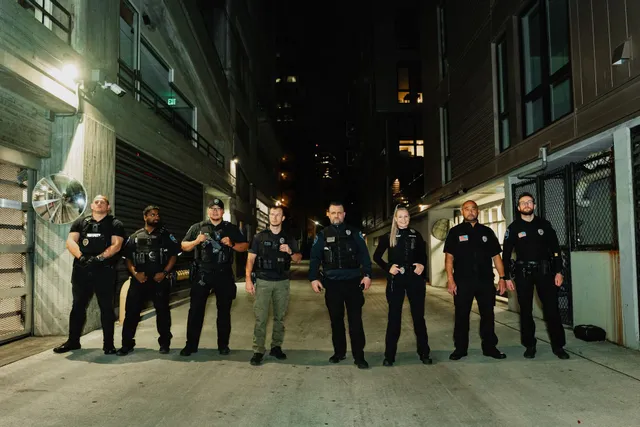
Understanding the Factors That Determine Security Service Costs
Calculating the cost of security services goes beyond a simple number and depends on several key factors, each of which can significantly impact the final price. These factors include the level of environmental risk, the type and experience of security personnel, the duration of service, and the use of advanced equipment. Understanding these elements helps you choose services that match your environment’s actual needs, ensuring adequate security while avoiding unnecessary expenses.
1: How is the cost of security services determined?
The cost of security services is generally determined based on a combination of several key factors, each of which can significantly impact the final price. The first factor is the level of environmental risk. High-risk environments, such as busy retail stores, sensitive office buildings, or public events, require more coverage and advanced equipment to prevent incidents. In contrast, smaller or low-risk environments, like low-traffic offices or local shops, require fewer personnel and simpler equipment, and therefore have lower costs.
The second factor is the type and experience of personnel. Trained and specialized security staff, skilled in areas such as access control, crowd management, patrol, or technical monitoring, naturally cost more than general security personnel. Experience also matters; for example, staff capable of handling emergencies or night shifts command higher rates.
The third factor is the duration of service. Short-term or hourly services typically cost more per hour because they require quick deployment and immediate planning. In contrast, long-term monthly or annual contracts can lower the hourly rate, while also enabling better planning and specialized staff training.
The fourth factor is the use of security equipment. Advanced equipment may include:
• Smart and remotely controllable CCTV cameras
• Motion sensors and automated alarms
• Biometric or electronic access control systems
• Cloud-based monitoring and management software
These systems not only enhance security but also require specialized installation and maintenance, which increases service costs.
Ultimately, the combination of all these factors, based on the actual needs of the environment, the level of risk, and the client’s budget, determines the final price. Choosing the right mix of personnel and equipment can maximize security while avoiding unnecessary costs. For example, a large retail store might use two trained staff, a support team, and several smart cameras, while a small office may only need one basic security officer and a simple alarm system.
2: Does the type of security personnel matter, and how does it affect pricing?
Absolutely. The type of security personnel is one of the main factors influencing service pricing. Trained and specialized staff typically cost more because their skills and responsibilities are broader. Professional staff may include:
- Access control and entry management: Ensuring only authorized individuals enter the premises and accurately logging entries and exits.
• Patrolling and monitoring sensitive areas: Identifying potential threats before they occur and responding quickly to incidents.
• Crowd and emergency management: Ability to react to unexpected situations such as overcrowding, accidents, or sudden threats.
Beyond expertise, experience and training directly influence costs. Staff able to cover night shifts or emergencies typically command higher rates due to the increased responsibility and risk. Trained personnel can also operate advanced equipment more efficiently, manage systems, and reduce security vulnerabilities.
Ultimately, selecting a mix of experience, training, and operational flexibility ensures both optimal security and cost efficiency. For example, a large store might combine trained staff for sensitive areas with general personnel for routine patrols, which ensures full coverage while keeping costs under control. This kind of setup can ensure professional coverage of critical areas in your environment.
3: How does security equipment affect costs?
Security equipment represents a significant portion of total service costs and plays a crucial role in overall safety. Using advanced technology not only helps prevent incidents and theft but also enables proactive monitoring. Common equipment includes:
- Smart and PTZ CCTV cameras: Capable of rotation, zoom, and motion detection, allowing monitoring of blind spots.
• Biometric access control systems: Fingerprint, facial recognition, or smart card verification reduces unauthorized entry.
• Motion sensors and intelligent detectors: Detect unusual movements or unauthorized access and send instant alerts.
• Cloud-based monitoring software: Collects and analyzes video and data centrally, enabling remote supervision.
In addition to the equipment itself, installation, setup, and maintenance must be considered. Installing advanced systems requires technical expertise and careful planning, especially in large or restricted-access environments. Maintenance includes routine inspections, software updates, and troubleshooting, all of which affect the total cost.
Choosing the right combination of equipment for the environment is crucial. A small store may only need a few basic cameras and motion sensors, while a large shopping center may require smart cameras, access control, multiple sensors, and centralized management software. Smart selection optimizes security and avoids unnecessary costs. Long-term investment in advanced equipment, if well-planned, can reduce potential losses and ensure consistent, real security.
4: How does the duration of service affect costs?
The duration of security services is a key factor in pricing, varying greatly depending on the type of contract and the environment’s needs. Services are usually offered in three forms:
- Hourly or short-term services: Suitable for specific events, exhibitions, or urgent needs. Highly flexible and can be deployed quickly for sensitive areas or unusual shifts. Hourly rates are generally higher because the security company must provide ready personnel and equipment on short notice.
• Daily or night shifts: Some environments require full coverage day and night. Night shifts usually cost more due to higher risk and more challenging operational conditions.
• Monthly or annual contracts: Ideal for permanent environments or locations with ongoing security needs. One main advantage is a lower hourly rate, as personnel and equipment can be planned in advance. Long-term monitoring helps identify and address vulnerabilities effectively.
For example, a large store with night operations might combine day and night shifts with smart equipment to ensure full security coverage without unnecessary cost increases. Long-term contracts allow optimized staff training and equipment deployment. Selecting the appropriate service duration should align with risk level, budget, and actual needs to balance security and cost efficiency.
5: How do the environment and location affect pricing?
The environment and location directly influence security service costs. Large buildings, long routes, blind spots, and high-traffic areas require more personnel and advanced equipment to ensure complete coverage and safety. Conversely, smaller or low-risk environments typically require fewer staff and simpler equipment, resulting in lower costs.
Summary:
• Small or low-risk environments: Fewer personnel, basic equipment, lower cost
• Large or high-risk environments: More personnel, advanced equipment, higher cost
Special features of the location can also raise costs. For instance, offices with restricted access, multi-story buildings, or areas needing 24/7 monitoring generally require backup staff, additional equipment, and careful planning. Choosing the right mix of personnel and equipment according to the environment helps reduce extra costs while maximizing security efficiency.
6: Do night shifts and holiday services have extra costs?
Yes. Security services during night hours and holidays usually carry higher rates due to the need for greater operational flexibility, specialized coverage, and higher risk. During these periods, immediate support may be limited, and the environment may be less supervised, so companies deploy additional personnel and equipment.
Typical components include:
• Backup staff for long shifts: Prevents fatigue and ensures continuous coverage of critical areas.
• Advanced alert systems: Sensors and alarms that activate during emergencies and immediately notify staff.
• Detailed planning and special monitoring: Includes patrol routes, high-risk areas, and prepared emergency response scenarios.
This combination ensures that even during low-supervision hours or limited staffing periods, the security level remains high. For example, a large shopping center on a weekend holiday may use trained night staff along with smart cameras and alarm systems to maintain full security. Ultimately, higher rates for night and holiday services reflect the increased responsibility, equipment, and staffing needed to protect the environment.
7: How are short-term or temporary services priced?
Short-term or temporary services, such as security coverage for events or exhibitions, usually have higher hourly rates than long-term contracts. This is because rapid deployment and operational flexibility are required to fully cover the environment.
Main pricing factors:
- Number of service hours: longer coverage increases total cost.
- Environmental risk level: Crowded or high-risk locations require more personnel and advanced equipment.
- Required equipment: Temporary use of cameras, sensors, and security tools affects pricing.
For example, a crowded exhibition might combine trained personnel with portable equipment to ensure adequate security without unnecessarily inflating costs.
8: What are the benefits of long-term contracts?
Long-term contracts, such as monthly or annual agreements, offer several advantages over short-term services. A major benefit is reduced hourly rates, as personnel and equipment can be planned in advance for optimized resource allocation, reducing costs.
Other advantages include:
• Better planning and resource allocation: Staff can work in regular shifts and cover sensitive areas accurately.
• Optimized equipment deployment: Cameras and sensors can be strategically installed and monitored.
• Specialized training for personnel: Long-term staff become familiar with your environment, identify potential weaknesses, and are prepared to respond effectively to emergencies.
For example, a large shopping mall under an annual contract can deploy trained staff in critical areas with advanced equipment. This ensures real security while lowering hourly costs and improving resource management. Long-term contracts provide a combination of high quality, precise planning, and economic efficiency.
9: How can the best balance between cost and quality be achieved?
Achieving the optimal balance requires careful consideration of several key factors:
- Determine the environmental risk level: Assess sensitive areas, number of people, high-risk activities, and peak hours to understand actual security needs and avoid extra costs.
- Evaluate required personnel and equipment: Identify how many trained and general staff are needed, and what equipment is necessary for full coverage. Large, high-traffic areas may need a combination of smart cameras, motion sensors, and patrol staff, while smaller, low-risk environments only need minimal equipment and staff.
- Compare multiple service providers: Service quality, staff experience, contract flexibility, and after-service support can make a big difference.
The ideal combination typically includes:
• Trained personnel for sensitive areas
• Advanced, smart equipment
• Contract flexibility (long-term or short-term based on the environment)
This approach ensures complete security while staying within your actual budget, reducing potential risks and providing true value for investment.
10: Can adequate security be achieved on a limited budget?
Yes, even with a limited budget, appropriate security can be achieved if careful planning and threat prioritization are applied. Focusing on critical areas and using resources smartly helps control costs while providing real protection.
Effective strategies include:
• Concentrating personnel and equipment on critical points: Cover high-risk or high-traffic areas instead of spreading resources thin.
• Using smart technology: CCTV with motion detection, sensors, and automated alarms can cover more area without extra staff.
• Combining short and long shifts: Flexible scheduling and a mix of trained and general staff maintain security while optimizing costs.
For example, a small retail store with a limited budget may only deploy backup staff during busy hours and rely on smart equipment during low-traffic periods. This ensures adequate security without unnecessary spending or quality compromise.
Ultimately, focusing on actual environmental needs, prioritizing threats, and intelligently using equipment and personnel are key to achieving sustainable and effective security. This approach ensures that your budget is efficiently spent while maintaining a high level of safety.