
How Professional Emergency Security Can Protect Your Business in Queen Anne
Queen Anne is one of Seattle’s most active and high-traffic neighborhoods, home to a wide range of businesses, professional offices, retail stores, and restaurants. The constant flow of residents, visitors, and customers creates strong economic opportunities, but it also increases security risks. Unexpected incidents such as fires, medical emergencies, crowd congestion, vandalism, or unauthorized access can disrupt daily operations and cause serious financial and reputational damage.
In such a fast-paced environment, having a professional emergency security plan is no longer optional, it is a necessity. Businesses that are not prepared for crisis situations may face costly disruptions, legal exposure, and loss of customer and employee trust, even from minor incidents.
This article provides a comprehensive overview of emergency security services in Queen Anne, Seattle. It explains the role of professional unarmed guards during emergencies, outlines practical business preparedness strategies, and highlights the importance of effective emergency communication. The goal is to help business owners and managers understand actionable ways to reduce risk and protect their workplace.
Why Emergency Security Services Are Essential
In busy urban environments like Queen Anne, unexpected incidents are unavoidable. Power outages, fires, security threats, medical emergencies, unauthorized entry, sudden crowd gatherings, and local disturbances can disrupt normal operations at any time. The difference between a controlled incident and a costly crisis depends on response speed, coordination, and access to professional emergency security services.
Emergency security is not limited to extreme situations only. These services also support prevention, rapid control, crowd management, and minimizing the impact of incidents. Having a trained response team in place allows faster decision-making, reduces confusion, and prevents panic-driven reactions that can escalate problems.
Reducing Financial and Operational Risk
One of the greatest advantages of emergency security services is their ability to directly reduce financial and operational losses. Every minute of delayed response can increase property damage, downtime, equipment loss, and data disruption. Emergency security teams follow established protocols to contain incidents quickly and prevent escalation.
For example, during a fire or electrical hazard, fast evacuation coordination and immediate site control can prevent major property damage and prolonged business closures. Quick action also lowers repair costs, insurance claims, and lost revenue.
From an operational perspective, emergency preparedness ensures business continuity. Many businesses struggle after incidents because they lack clear response plans. A structured emergency process enables faster recovery, minimizes downtime, and restores operations efficiently.
Accurate documentation and incident reporting by security personnel also support insurance claims, legal protection, and future risk analysis. These insights help improve long-term safety planning and reduce hidden operational costs.
Building Trust with Customers and Employees
Professional emergency security demonstrates a company’s commitment to safety, responsibility, and care for people and property. Employees feel more confident and secure knowing that structured safety systems exist, which improves morale, productivity, and retention.
Customers also recognize organizations that manage emergencies calmly and professionally. A business that responds efficiently during critical situations builds credibility and long-term loyalty.
In public-facing environments such as retail centers, offices, and residential properties, effective crisis management prevents panic, misinformation, and reputational damage. Even when incidents occur, professional handling minimizes negative impact and preserves brand trust.
Ultimately, emergency security becomes part of a proactive safety culture that supports long-term stability and growth in competitive urban areas like Queen Anne.
The Role of Unarmed Security Guards During Emergencies
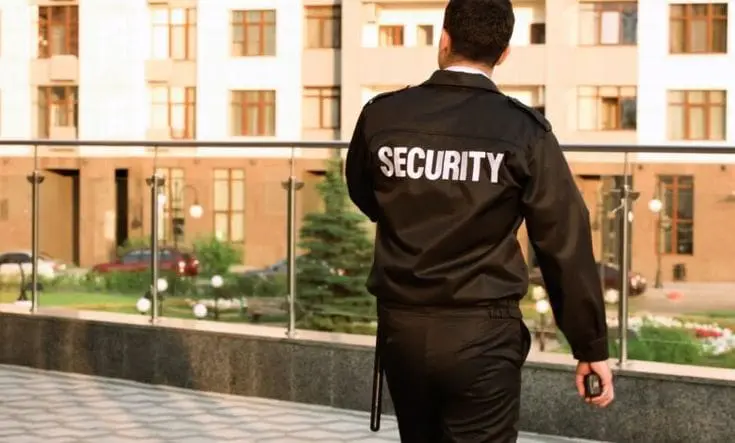
In many commercial and residential environments, emergency management depends heavily on human behavior, crowd control, and calm leadership, not just equipment or alarms. Unarmed security guards are trained to manage sensitive situations through communication, de-escalation, and organized response.
Their role focuses on preventing panic, guiding people safely, maintaining order, and reducing stress during incidents. This approach encourages cooperation and smoother execution of safety procedures.
Benefits of Professional Unarmed Security Support
Professional unarmed security support maintains a calm and controlled environment during emergencies. The visible presence of firearms can increase anxiety in some settings, while unarmed professionals promote reassurance, cooperation, and clear communication.
These guards are trained to manage emotional reactions, prevent rumors, deliver clear safety instructions, and guide individuals toward safe actions. This behavioral control reduces chaos and speeds up evacuation or containment efforts.
Unarmed security teams also adapt effectively to diverse environments such as retail spaces, residential complexes, healthcare facilities, and public venues. Their ability to communicate across different age groups and cultures enhances compliance and safety.
When guards are consistently present on-site, familiarity builds trust. People respond more quickly to guidance from personnel they recognize, improving response efficiency during emergencies.
Guard Responsibilities During a Crisis
A primary responsibility is guiding occupants to safe exits and evacuation routes using detailed knowledge of the facility layout. This prevents congestion and reduces injury risk.
Guards also control dangerous crowd buildup, maintaining safe movement flow and preventing secondary accidents.
They coordinate directly with management and emergency responders, providing accurate incident details that improve response efficiency and medical outcomes.
Securing hazardous areas, preventing unauthorized access, and monitoring risky behavior help limit secondary damage and keep the situation contained.
Preparing Your Business for Emergencies
No workplace is immune to unexpected events. Preparedness determines whether an incident becomes a manageable disruption or a serious operational setback. In high-traffic neighborhoods like Queen Anne, structured planning is especially critical.
Importance of Business Security Readiness Planning
Business security readiness planning involves developing clear procedures for responding to multiple emergency scenarios. This includes risk assessments, role assignments, staff training, and response coordination.
Each business has unique risk factors depending on operations, occupancy levels, physical layout, and asset value. Customized planning ensures practical and effective response strategies.
Clear procedures reduce confusion, strengthen teamwork, and improve confidence during emergencies. Well-prepared organizations protect their reputation and maintain regulatory compliance.
Practical Preparation Steps
- Identify vulnerabilities and risk zones.
- Prioritize threats based on business activity and foot traffic.
- Conduct staff training and emergency drills.
- Maintain evacuation routes, signage, alarms, and emergency equipment.
- Regularly review and update response plans.
Emergency Communication and Coordination
Many crises escalate due to communication breakdowns rather than lack of resources. Clear communication ensures fast decisions, consistent messaging, and coordinated response among all stakeholders.
Role of Emergency Communications
Emergency Communications systems enable rapid, accurate information flow between security teams, management, employees, and first responders. This improves response speed and reduces uncertainty.
Reliable communication supports incident reporting, coordination with police, fire, and medical teams, and post-incident analysis.
Importance of Alert Systems and Protocols
Alarm systems, internal alerts, and emergency messaging platforms ensure timely awareness and organized response. Clear instructions prevent panic and misinformation.
Staff training ensures systems are used effectively during real events.
Mobile Patrols and Emergency Monitoring
Exterior areas such as parking lots, delivery zones, and rear entrances often carry higher risk exposure. Mobile patrols provide flexible, visible deterrence and early detection of safety issues.
Coverage of Vulnerable Areas
Regular patrols reduce unauthorized activity, detect maintenance risks, and improve overall site safety perception.
Benefits of Mobile Patrols
- Theft and vandalism deterrence
- Lighting and equipment monitoring
- Suspicious activity identification
- Detailed reporting and documentation
Conclusion; A Smart Investment in Emergency Security
Emergency security combines professional guard presence, structured preparedness planning, and advanced communication infrastructure. This integrated approach minimizes losses, improves response efficiency, and strengthens operational resilience.
Businesses that proactively invest in emergency readiness protect their people, assets, and reputation while maintaining operational stability.
Reliable communication solutions such as Emergency Communications strengthen coordination and accelerate response during critical incidents.
Call To Action
If you are ready to strengthen your emergency security strategy, Alpha Eagle Security provides customized assessments, professional staffing, and scalable solutions tailored to your business environment. Contact our team today to build a reliable and proactive emergency security program.
Frequently Asked Questions (FAQ)
1. What types of incidents do emergency security services cover?
Emergency security services cover incidents such as fires, security threats, medical emergencies, crowd congestion, unauthorized access, vandalism, power outages, and other unexpected situations. The primary goal of these services is rapid response, crisis control, and minimizing both human and financial losses.
2. Why do businesses in Queen Anne need emergency security more than other areas?
Queen Anne is one of Seattle’s high-traffic neighborhoods, combining commercial, residential, and tourism activities. Heavy foot traffic, diverse audiences, and active nightlife increase the risk of incidents, making professional emergency preparedness especially important for local businesses.
3. How do unarmed security guards operate effectively during emergencies?
Unarmed security guards focus on behavioral management, maintaining calm, guiding crowds, and effective communication. Their presence helps prevent escalation while creating a sense of safety without making the environment feel threatening.
4. Are unarmed security guards sufficient for busy environments?
In many commercial, educational, and service environments, unarmed guards are fully sufficient and often more effective due to better human interaction and softer crowd control. The type of guard should always be selected based on the risk level and nature of the business.
5. What benefits does security readiness planning provide for businesses?
Security readiness planning reduces response time, prevents confusion, improves staff coordination, and minimizes financial and reputational losses. It also increases employee and customer confidence in the organization’s safety management.
6. How often should a security readiness plan be reviewed and updated?
A security plan should be reviewed at least once a year or after any major change such as increased traffic, renovations, operational changes, or following an incident to ensure it remains aligned with real conditions.
7. How do emergency communication systems help reduce damage?
Emergency communication systems enable fast information sharing, better coordination with emergency responders, and help prevent poor decision-making. These systems reduce response time and improve overall crisis management accuracy.
8. What is the difference between mobile patrols and stationary guards?
Mobile patrols conduct periodic and unpredictable inspections across different areas, making them ideal for outdoor spaces and low-visibility zones. Stationary guards focus more on access control and direct on-site monitoring.
9. Are emergency security services only suitable for large businesses?
No. Small and medium-sized businesses face similar risks. Even minor incidents can cause serious disruption for smaller operations. Emergency security services can be scaled based on budget and operational needs.
10. How can I choose the best security company for emergency services?
Key selection criteria include licensing, staff training, local experience, project history, contract transparency, and the ability to deliver customized security plans tailored to your business requirements.